
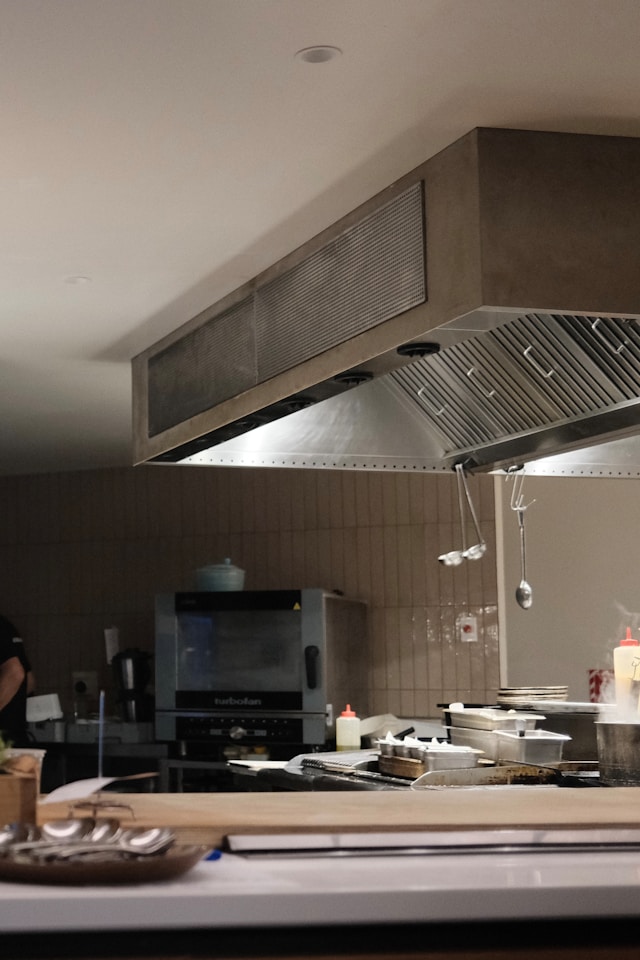

Industrial Ducting Tips for Cleaner, Safer Factories
In the heart of any bustling factory, the air quality and overall safety of the environment are paramount. While heavy machinery and production lines often take center stage, the sprawling network of ventilation responsible for moving air, dust, and fumes plays a an equally critical role. A properly designed and maintained Industrial Ducting system is the silent guardian of a facility, working tirelessly to remove harmful contaminants, control ambient temperature, and mitigate fire risks. When this system is neglected, it can lead to poor air quality, health hazards for employees, and an increased risk of catastrophic events like dust explosions.
Ensuring your facility is both clean and safe is not just about meeting regulatory compliance; it is about creating a productive and healthy environment for your workforce. The effectiveness of your entire ventilation system hinges on the condition of its pathways. This article provides actionable tips for your Industrial Ducting, moving beyond basic installation to focus on the ongoing strategies that will keep your factory cleaner, safer, and more efficient.
The Foundation of Safety: Proper Industrial Ducting Design
Safety starts on the drawing board. A ducting system that is poorly designed from the outset will always be a liability, no matter how well it is maintained. Ensuring your system is designed for safety is the most important first step.
Maintaining Minimum Transport Velocity
One of the most critical safety parameters in an Industrial Ducting system is “transport velocity.” This is the minimum speed at which air must travel to keep particulates, like wood dust or chemical powders, suspended in the airstream.
- The Danger of Settling: If the air velocity drops below this minimum threshold, particulates will fall out of suspension and settle at the bottom of the ducts. This accumulation reduces airflow, creates blockages, and, most dangerously, provides fuel for a potential fire or dust explosion.
- Correct Duct Sizing: A professional design ensures that duct diameters are calculated to maintain this velocity throughout the system. It is a delicate balance; ducts that are too large will have low velocity, while ducts that are too small will create excessive friction and waste energy.
Designing for Combustible Dust
Many common industrial materials, including wood, flour, plastic, and metal, can become combustible when ground into fine dust. Managing this risk is a primary function of a safety-focused Industrial Ducting system.
- Explosion Venting and Isolation: Systems handling combustible dust must be equipped with safety components like explosion vents, which are designed to rupture in a controlled manner to relieve pressure during a deflagration event. Flameless vents or isolation valves can also be used to prevent a pressure wave from traveling back into the factory.
- Proper Grounding: Static electricity can build up as particles move through ductwork, creating a potential ignition source. The entire ducting system must be properly grounded and bonded to safely dissipate any static charge.
Material and Construction Tips for Safer Industrial Ducting
The materials used to construct your ductwork and the way they are assembled have a direct impact on both cleanliness and safety.
Selecting the Right Gauge and Material
The choice of material should be dictated by the application.
- Abrasion Resistance: For systems conveying abrasive materials like sand or metal shavings, standard-gauge steel will wear out quickly, leading to leaks that release dust into the facility. Using thicker, abrasion-resistant (AR) steel or installing reinforced wear plates in high-impact areas like elbows is crucial for longevity and containment.
- Corrosion Resistance: In environments with corrosive fumes, such as chemical processing or food manufacturing, standard galvanized steel can degrade rapidly. Using stainless steel, PVC, or specialized fiberglass-reinforced plastic (FRP) prevents corrosion that could compromise the system’s integrity and lead to hazardous leaks.
Smooth Interior and Secure Connections
The interior surface of your Industrial Ducting and the quality of its connections are key to maintaining a clean system.
- Minimizing Ledges: Ducts should be constructed with smooth interior surfaces. Ledges, burrs, or prominent seams can act as collection points for dust and debris, creating blockages and fire hazards over time. Spiral-wound ducting is often preferred for its smooth interior profile.
- Sealed Joints: Every joint and seam is a potential leak point. Ensure all connections are properly sealed with high-quality sealant appropriate for the temperature and materials being conveyed. Gaskets and flanged connections should be inspected regularly to ensure they remain airtight. Leaks not only reduce system efficiency but can also release harmful contaminants into the workspace.
Essential Maintenance for a Clean and Safe Industrial Ducting System
Even the best-designed system will fail if it is not maintained. A proactive maintenance schedule is non-negotiable for ensuring your facility remains clean and safe.
Implementing a Regular Cleaning Schedule
Out of sight should not mean out of mind. The inside of your ductwork requires regular attention.
- Combustible Dust Accumulation: National fire protection standards often dictate the maximum allowable dust accumulation thickness on surfaces before cleaning is required. This applies to the inside of your ducts as well. A regular cleaning schedule prevents this buildup, drastically reducing the risk of a secondary dust explosion.
- Access Doors: Your Industrial Ducting system should be designed with a sufficient number of clearly marked access doors. These doors allow maintenance staff to inspect the interior of the ducts and perform cleanings without having to disassemble large sections of the network.
Proactive Leak Detection and Repair
Leaks undermine the very purpose of your ventilation system.
- Regular Inspections: Make visual and auditory inspections a part of your regular maintenance routine. Look for signs of dust leakage around joints, and listen for the whistling sound of air being pulled into a system under negative pressure.
- Pressure Monitoring: A drop in static pressure readings can indicate a significant leak somewhere in the system. Monitoring these levels can provide an early warning that maintenance is required. Promptly repairing any identified leaks is crucial for both safety and energy efficiency.
Upgrades to Your Industrial Ducting System for Enhanced Safety
Technology and smart design principles can provide an additional layer of safety and cleanliness for your facility.
Installing a Spark Detection and Extinguishing System
For systems handling combustible dust, sparks from machinery can act as an ignition source that travels through the ductwork.
- How it Works: A spark detection system uses infrared sensors to detect sparks or embers traveling through the duct. Within milliseconds of detection, it triggers a high-speed abort gate to divert the airflow or activates a water spray to extinguish the spark before it can reach the dust collector.
- A Critical Safety Layer: This automated system acts as a last line of defense, providing a critical safety measure that can prevent a catastrophic fire or explosion.
Integrating Dust Collection Monitoring
Modern dust collectors can be equipped with sensors that monitor their performance and provide alerts when maintenance is needed.
- Filter Monitoring: Differential pressure gauges can monitor the condition of the filters in your dust collector. As filters become clogged, the pressure drop across them increases. An alert can notify maintenance staff that it is time to clean or replace the filters, ensuring the Industrial Ducting system maintains its design airflow.
- Level Sensors: For the hopper that collects the dust, level sensors can alert you when it is full. This prevents the collector from becoming overfilled, which can cause dust to back up into the system and reduce overall effectiveness.
Conclusion
The Industrial Ducting in your factory is more than just a series of pipes; it is a critical infrastructure component that directly impacts the health of your employees, the safety of your operations, and your compliance with regulations. A clean and safe factory is no accident—it is the result of thoughtful design, proper material selection, and a steadfast commitment to proactive maintenance.
By focusing on principles like maintaining transport velocity, preventing dust accumulation, and ensuring system integrity through regular inspections and cleaning, you can transform your ductwork from a potential liability into a robust asset. Integrating modern safety technologies like spark detection systems provides an even greater level of protection. By giving your ducting system the attention it deserves, you are making a direct investment in a safer, cleaner, and more productive future for your facility.


