

Solar Panel Basics Every Homeowner Should Understand
The idea of harnessing the sun’s power to generate electricity for your home is becoming increasingly attractive. As utility costs rise and environmental concerns grow, many homeowners are looking toward renewable energy solutions. A residential Solar Panel system represents a significant step towards energy independence and a smaller carbon footprint. However, diving into the world of solar can feel overwhelming, with its technical jargon and various system options. Understanding the fundamentals is the first step toward making an informed decision that can benefit your finances and the planet for decades.
This guide is designed to demystify the technology behind the modern Solar Panel. We will break down how these systems work, explore the different types available, and outline the key benefits and considerations every homeowner should know before making the switch. By grasping these core concepts, you can confidently navigate the process and determine if solar energy is the right choice for your home.
How Does a Solar Panel System Work?
At its heart, a solar energy system is a straightforward process that converts sunlight into usable electricity. While the science can be complex, the operational flow is easy to understand. It involves a few key components working together seamlessly.
The Role of the Solar Panel
The magic begins with the individual solar panels, also known as photovoltaic (PV) panels.
- The Photovoltaic Effect: Each Solar Panel is made up of smaller units called solar cells. These cells are typically made from silicon, a semiconductor material. When sunlight (composed of photons) strikes the solar cells, it energizes electrons, causing them to move. This movement of electrons creates a direct current (DC) of electricity. This phenomenon is called the photovoltaic effect.
- From Cells to Panels: Multiple solar cells are wired together to form a panel. Multiple panels are then linked together to create a solar array, which is mounted on your roof or property. The more panels you have, the more sunlight you can capture and the more DC electricity you can generate.
Converting DC to AC Electricity
The DC electricity produced by your solar panels is not the same type of electricity that powers your home’s appliances.
- The Inverter’s Job: Your home runs on alternating current (AC) electricity. This is where a crucial component called an inverter comes in. The inverter takes the DC electricity generated by the solar array and converts it into AC electricity, making it compatible with your home’s electrical system and the utility grid.
- Types of Inverters: There are several types of inverters. A central or string inverter connects to your entire array. Microinverters are smaller units installed on each individual Solar Panel, converting DC to AC right at the source. This can improve efficiency, especially if some panels are partially shaded.
Powering Your Home and the Grid
Once the electricity is converted to AC, it flows through your home’s main electrical panel.
- Using Your Own Power: Your home will automatically use the solar energy it needs first. This means during the day when the sun is shining, you will be powering your lights, appliances, and electronics with the clean energy you produce, reducing your reliance on the utility company.
- Net Metering: What happens when your solar panels produce more electricity than you are using? Through a process called net metering (available in most areas), the excess electricity is sent back to the utility grid. Your electric meter will spin backward, and you will receive credits on your utility bill for the power you contribute. At night, or on cloudy days when your system isn’t producing enough power, you will draw electricity from the grid as usual, using up the credits you have earned.
Types of Solar Panel Technology
Not all solar panels are created equal. The two most common types available for residential installations are monocrystalline and polycrystalline. Understanding the difference can help you choose the best option for your budget and efficiency needs.
Monocrystalline Solar Panel Systems
These are often considered the premium option in the residential market.
- Manufacturing Process: Monocrystalline panels are made from a single, pure crystal of silicon. The silicon is formed into bars and cut into wafers, which gives the cells their characteristic uniform black color and rounded edges.
- Efficiency and Performance: Because they are made from a single crystal, electrons have more room to move, making monocrystalline panels the most efficient type. They perform better in low-light conditions and typically have a longer lifespan. Their sleek appearance is also preferred by many homeowners. The downside is that their complex manufacturing process makes them more expensive.
Polycrystalline Solar Panel Systems
This type offers a more budget-friendly alternative.
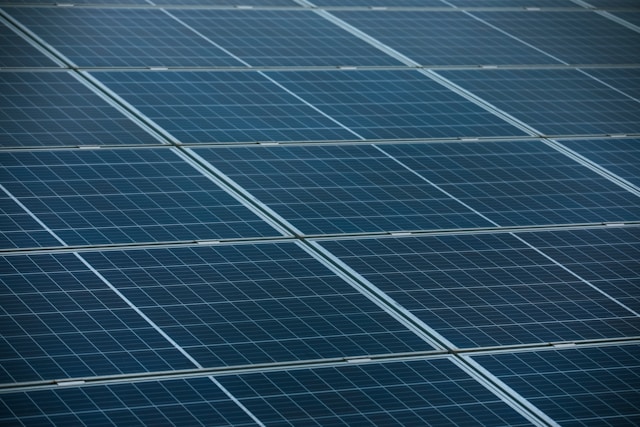
- Manufacturing Process: Polycrystalline panels are also made from silicon, but instead of using a single crystal, fragments of silicon are melted together and poured into a mold. This process is faster and less expensive, but it results in multiple crystals within each cell. This gives the panels a blue, speckled appearance.
- Efficiency and Performance: The presence of multiple crystals makes it slightly harder for electrons to move, so polycrystalline panels are less efficient than their monocrystalline counterparts. This means you may need a larger surface area (more panels) to produce the same amount of power. However, the lower price point makes them an attractive option for homeowners with ample roof space and a tighter budget.
Key Benefits of Installing a Solar Panel System
The decision to go solar is driven by a range of compelling advantages that extend from your wallet to the wider environment.
Significant Financial Savings
This is often the primary motivator for homeowners.
- Reduced Electricity Bills: By generating your own power, you drastically reduce the amount of electricity you need to buy from your utility company. In many cases, homeowners can eliminate their electric bills entirely or even earn money back from the utility through net metering.
- Protection Against Rising Rates: Utility electricity rates have historically risen over time. When you own a Solar Panel system, you lock in a predictable cost of energy for the 25- to 30-year lifespan of the system, protecting you from future price hikes.
Environmental Impact
Choosing solar power is a powerful way to contribute to a healthier planet.
- Reduced Carbon Footprint: Solar energy is a clean, renewable resource. Unlike fossil fuels, it produces no harmful greenhouse gas emissions. A typical residential solar system can offset thousands of pounds of carbon dioxide each year, equivalent to planting hundreds of trees.
- Energy Independence: Generating your own electricity reduces our collective reliance on fossil fuels, which are finite resources often sourced from volatile regions. Increased adoption of solar power contributes to national energy security.
Increased Home Value
A solar installation is not an expense; it is an investment in your property.
- A Valuable Upgrade: Studies have consistently shown that homes with solar panels sell for more than comparable homes without them. Buyers are attracted to the prospect of lower electricity bills, making a Solar Panel system a significant selling point.
Important Considerations Before Installing a Solar Panel System
While the benefits are clear, going solar requires careful planning. There are several factors to consider to ensure a successful installation.
Your Roof’s Condition and Orientation
The performance of your system depends heavily on your roof.
- Age and Condition: Solar panels have a lifespan of 25 years or more. If your roof is old and will need to be replaced in the next 5-10 years, it is far more cost-effective to replace it before installing the panels.
- Direction and Shading: In the Northern Hemisphere, south-facing roofs receive the most direct sunlight and are ideal for solar installations. East- and west-facing roofs can also work well. Significant shading from trees or neighboring buildings can reduce your system’s output, so a thorough shade analysis by a professional installer is crucial.
System Size and Your Energy Needs
You need a system that is appropriately sized for your consumption.
- Analyze Your Utility Bills: Your solar installer will analyze your past 12 months of electricity usage to determine your average consumption. This data is used to design a system that can offset as much of your usage as you desire.
- Future Plans: Consider any future changes that might increase your electricity needs, such as buying an electric vehicle or installing a hot tub. It is easier to size the system correctly from the start than to add panels later.
Cost and Incentives
The upfront cost of a Solar Panel system can be significant, but various incentives can make it much more affordable.
- Federal Solar Tax Credit: In the United States, homeowners can claim a federal tax credit that significantly reduces the net cost of their system.
- State and Local Rebates: Many states, local governments, and utility companies offer additional rebates, tax credits, or performance-based incentives that can further lower the cost. A reputable installer will help you navigate all available programs in your area.
Conclusion
Making the switch to solar energy is a major home improvement project, but it is one with lasting rewards. By understanding the basic principles of how a Solar Panel system works, the different technologies available, and the key factors to consider, you are well-equipped to start the conversation with a professional installer. The combination of long-term financial savings, a positive environmental impact, and increased property value makes solar power a compelling investment for homeowners. Armed with this knowledge, you can confidently explore how to harness the power of the sun and take control of your home’s energy future.


